
In vitro ADME predicts drug success by showing how a compound is likely to behave in the body before animal studies or clinical trials begin. ADME stands for absorption, distribution, metabolism, and excretion, the core processes that determine whether a drug can reach its target, remain active long enough, and avoid unsafe buildup or rapid clearance. Early ADME testing helps researchers identify weak candidates, refine promising molecules, and reduce costly late-stage failures. By measuring properties such as solubility, membrane permeability, metabolic stability, protein binding, and enzyme interactions, scientists build a practical picture of pharmacokinetic risk. This information supports smarter design decisions, better candidate prioritization, and more efficient development pathways for therapies with stronger chances of clinical and commercial success.
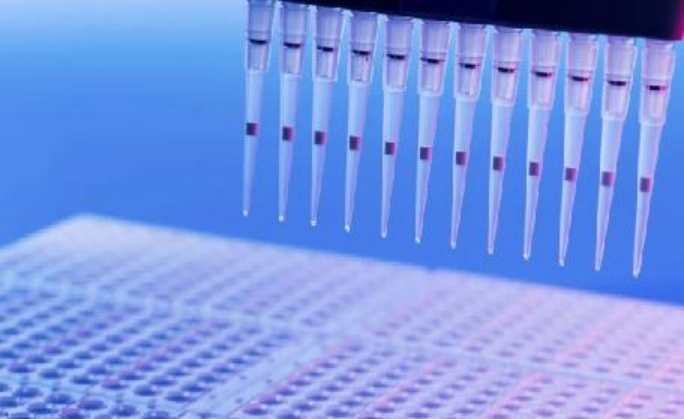
How In Vitro ADME Predicts Drug Performance Before Trials
Assessing Absorption, Solubility, and Permeability Factors
Absorption is one of the earliest barriers to drug success, and in vitro ADME studies help clarify whether a compound can overcome it. Solubility testing shows if a drug dissolves sufficiently in physiological conditions, which affects oral exposure and formulation options. Permeability assays estimate how efficiently the compound crosses biological membranes, offering insight into intestinal uptake and tissue access. Together, these results reveal whether a molecule is likely to achieve meaningful systemic concentrations after dosing. Researchers can also detect liabilities such as poor dissolution, transporter-related efflux, or pH-dependent behavior. Identifying these issues early allows medicinal chemistry and formulation teams to improve structure, select better candidates, and reduce downstream pharmacokinetic surprises.
Evaluating Metabolism and Potential Drug Interaction Risks
Metabolism studies show how quickly a compound is broken down and which enzymes drive that process, making them central to predicting exposure, half-life, and safety. In vitro ADME testing commonly uses liver microsomes, hepatocytes, and recombinant enzymes to estimate metabolic stability and identify likely biotransformation pathways. These assays can reveal whether a candidate forms active, inactive, or potentially reactive metabolites that may affect efficacy or tolerability. They also help assess the risk of drug-drug interactions by measuring inhibition or induction of major metabolizing enzymes. When researchers understand metabolic clearance and interaction potential before clinical testing, they can avoid compounds with unstable profiles, optimize dosing strategies, and prioritize molecules with more predictable human pharmacokinetics.
Key In Vitro ADME Tests That Support Drug Success Decisions
Major Assays Used to Measure Drug-Like Properties
Key in vitro adme assays generate the data needed to judge whether a molecule has realistic development potential. Solubility and dissolution tests examine whether the compound can remain available for absorption. Caco-2 or similar permeability models estimate membrane transport and possible efflux liabilities. Plasma protein binding studies show how much free drug is available to distribute and act at the target site. Microsomal and hepatocyte stability assays measure clearance risk, while reaction phenotyping identifies the enzymes responsible for metabolism. CYP inhibition and induction screens evaluate drug interaction potential. Additional tests may assess transporter involvement, plasma stability, or metabolite formation. Together, these assays create an early pharmacokinetic profile that supports evidence-based decision-making.
How ADME Data Guides Candidate Selection and Optimization
ADME data helps teams move beyond potency alone and choose compounds with balanced developability. A strong lead must not only engage its target but also dissolve, permeate, survive metabolism, and maintain suitable exposure. When in vitro results show weak solubility, high clearance, or enzyme inhibition risk, chemists can modify structure to improve those properties before advancing the program. ADME findings also support rank-ordering among similar candidates by highlighting which molecules offer the best combination of exposure, safety margin, and formulation feasibility. This reduces reliance on trial-and-error progression and strengthens go or no-go decisions. By integrating ADME insights early, developers increase the likelihood that selected candidates will perform well in later studies.
Improving Drug Development Outcomes With ADME Services
Using Predictive ADME Approaches to Reduce Development Failure
Predictive ADME approaches reduce development failure by identifying pharmacokinetic and safety liabilities before they become expensive problems. Early screening can flag compounds with poor oral absorption, rapid metabolic turnover, transporter issues, or a high likelihood of drug-drug interactions. These signals allow teams to stop weak candidates sooner and focus resources on molecules with more viable profiles. Predictive models also help connect in vitro findings to expected in vivo behavior, improving study design and reducing uncertainty during progression decisions. When ADME assessment is built into lead optimization, it supports rational chemistry changes instead of repeated late corrections. The result is a more efficient pipeline, stronger candidate quality, and a lower risk of failure in preclinical and clinical stages.
Applying In Vitro ADME Solutions for Efficient Research Workflows
In vitro ADME solutions improve research efficiency by giving discovery teams standardized, decision-ready data at the point when speed matters most. Coordinated assay panels let scientists evaluate multiple liabilities in parallel rather than waiting for problems to appear one by one. This shortens screening cycles, improves comparability across compounds, and supports faster iteration between biology, chemistry, and pharmacokinetics teams. Integrated ADME workflows also make it easier to prioritize experiments, interpret conflicting data, and decide when a molecule is ready for in vivo follow-up. With clearer evidence on absorption, metabolism, binding, and interaction risks, programs can advance with better confidence. Efficient workflows save time, reduce unnecessary studies, and help align development choices with measurable pharmacokinetic quality.

Conclusion
In vitro ADME predicts drug success by answering a practical question early: will this compound behave like a viable medicine, not just an active molecule? Through targeted assays for solubility, permeability, metabolic stability, protein binding, and enzyme interaction, researchers can forecast exposure, clearance, and key development risks before clinical testing. That insight improves candidate selection, guides structural optimization, and helps teams avoid costly progression of unsuitable compounds. It also supports more efficient workflows by turning complex pharmacokinetic questions into measurable, actionable data. When used early and consistently, in vitro ADME becomes a strategic filter that strengthens development decisions and improves the odds that a promising discovery will advance into a safe, effective, and commercially successful drug.