
To work successfully, solar-powered generators require steady sunshine, yet weather unpredictability may have a substantial impact on their production. Cloud cover, rain, temperature, and seasonal changes all have an impact on the amount of energy that solar panels can capture and store. These oscillations influence charging speed, daily capacity, and overall system function. Whether you use solar power for backup, vacation, or off-grid living, understanding how weather influences generation allows you to prepare more effectively. This tutorial explains how different variables affect production and what elements you should consider based on your location and time of year to have the most consistent performance from your solar generator.
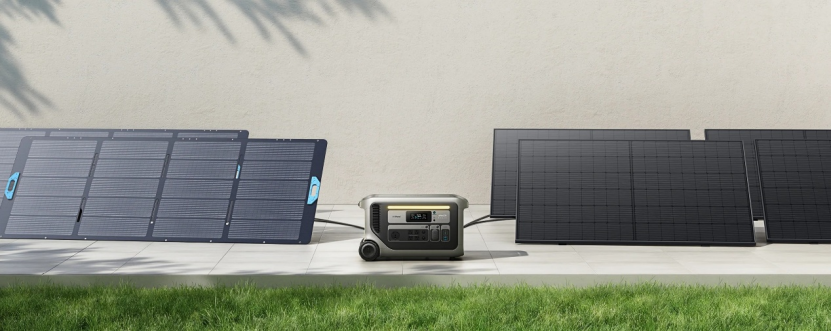
How Do Different Weather Conditions Affect Solar Generator Output?
Sunlight Intensity, Cloud Cover, and Daily Output Changes
Solar generators work best in direct, unrestricted sunshine. The amount of energy that panels convert is directly proportional to the intensity of sunlight (measured in solar irradiance). On a clear day, panels can produce their maximum output, but even modest cloud cover can lower production by 10-25%, while thick overcast can drop it by more than 80%. Cloud movement also results in sporadic output, affecting battery charging rates. The morning and late afternoon sun give less energy due to their angle of incidence. Overall, variable cloud conditions might result in irregular daily energy output. To address this, users can expand panel surface area or store additional power on sunny days in preparation for low-output periods.
Rain, Snow, and Panel Surface Conditions
Rain does not harm solar panels and can assist in clearing off dust and particles, modestly enhancing performance thereafter. However, severe rain decreases light levels, resulting in a substantial drop in production during the storm. Snow is a major problem—covering panels totally blocks sunlight, preventing electricity generation until it is cleared. Even a small frost or snow coating might reduce performance. Wet or icy panels may potentially pose a safety risk during maintenance. Making sure the panels are appropriately slanted allows snow to slide off more quickly. After a snowstorm, output may momentarily rise due to sunlight reflecting off brilliant snow surfaces, but only if panels are visible. Monitoring and cleaning panels during and after storms helps to ensure consistent solar generator performance.
Temperature Extremes and Their Impact on Efficiency
Solar panels don't work well in intense heat; in fact, high temperatures might lower efficiency. Most panels perform best at 77°F (25°C). As the temperature rises, panel voltage decreases, resulting in a modest reduction in power production even under bright sunshine. In contrast, cold temperatures can boost panel performance while decreasing battery efficiency. Lithium-ion batteries, which are extensively used in solar generators, lose capacity in cold temperatures and may stop charging below 32°F (0°C). Overheating batteries shortens their lifetime and reduces power. Keeping your solar generator and batteries shaded in hot weather or insulated in cold weather improves system performance. Understanding how heat and cold impact both panels and batteries is critical for dependable year-round use.
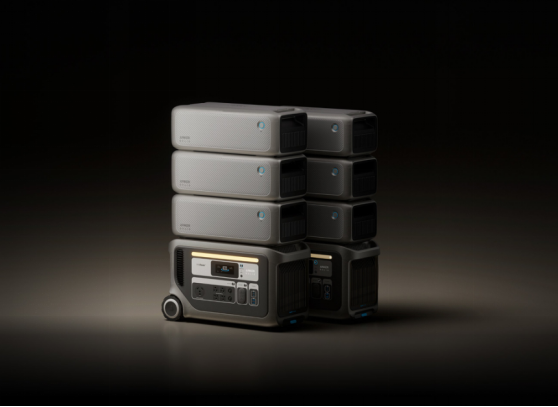
What Seasonal and Regional Factors Influence Solar Generator Performance?
Seasonal Daylight Changes and Sun Angle
The quantity of daylight available for solar charging varies depending on the season. Summer offers longer days and a greater light angle, which boosts overall daily energy production. Winter offers shorter days and lower sun angles, reducing light intensity and charging time. In some areas, winter can reduce solar output by 50% or more compared to summer. Shadows cast by buildings, trees, or terrain change with the seasons, impacting exposure. Adjusting your panel angle seasonally might aid in capturing more direct light. To ensure year-round reliability, predict seasonal averages and build your arrangement to store or create additional electricity during peak months to compensate for winter lulls.
Geographic Location, Latitude, and Climate Patterns
Where you reside has a significant impact on the performance of solar power generators. Areas near the equator receive continuous sunshine throughout the year, making them excellent for solar. Higher latitudes have greater seasonal fluctuation and less winter sunshine. Coastal places may see more gloomy days owing to marine layers, whereas desert regions have strong sun output but require heat moderation. Frequent storms or protracted wet seasons diminish solar availability, necessitating increased battery storage or backup power. Consider average annual solar irradiance and local weather trends when selecting your solar power generator size and panel wattage. Location-specific planning ensures your system is optimized for consistent energy production in your environment.
Urban Shade, Terrain, and Environmental Obstacles
Obstacles such as buildings, trees, and uneven terrain in urban or forested regions can create shadows, reducing solar panel output dramatically. Even partial shadowing on one portion of a panel can reduce the overall efficiency of the system, particularly in the absence of bypass diodes. Rooftop installations may lose light owing to nearby structures or chimneys. Camping or RV users may encounter shaded campsites or a limited area for optimum panel arrangement. Dust, smog, and pollen can also accumulate on panels, blocking light. Regular panel cleaning, employing movable mounts to chase the sun, and putting panels away from shadow-prone places all increase performance in the face of environmental obstacles.
Conclusion
Weather unpredictability significantly influences how effectively a solar-powered generator functions. Cloud cover, rain, snow, heat, and cold all have an impact on solar panel efficiency and battery reliability. Seasonal fluctuations and geographic location also influence the amount of sunshine accessible each day. Planning for these changes—adjusting panel angles, scaling your batteries for overcast days, and selecting the best location—ensures that your solar generator remains reliable. Understanding how different conditions affect production allows you to manage expectations and maximize utilization. Whether for home backup or outdoor excursions, weather-aware planning ensures that your solar generator supplies consistent, dependable electricity all year.